
Tag: Jacobus Gans (1737-1802?)
Een buurman als influencer?
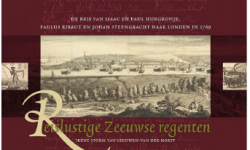
The publication of a richly illustrated travel journal, a trip through Southern England and to London undertaken by four Dutchmen in 1769, leads to new ideas about a garden in the Netherlands. Paul Hurgronje, one of the 1769 travellers, went on to buy an estate in Heemstede in 1775 (Spruytenbosch). I have written extensively about the garden layout of Westerhout, bordering to the north of Spruytenbosch, in these years. And I am now left wondering whether Hurgronje’s direct knowledge of English gardens and parks may have influenced the landscape style layout of Westerhout, his direct neighbours?
Summary
The publication of a richly illustrated travel journal, a trip through Southern England and to London undertaken by four Dutchmen in 1769, leads to new ideas about a garden in the Netherlands. Paul Hurgronje, one of the 1769 travellers, went on to buy an estate in Heemstede in 1775 (Spruytenbosch). I have written extensively about the garden layout of Westerhout, bordering to the north of Spruytenbosch, in these years. And I am now left wondering whether Hurgronje’s direct knowledge of English gardens and parks may have influenced the landscape style layout of Westerhout, his direct neighbours?

Published: Adriaan Snoek at 18th century Westerhout
Mijn meest recente artikel is net uit, samen met andere mooie artikelen verschenen in de tweede bundel van tuinhistorisch genootschap Cascade, onder de naam Tuingeschiedenis in Nederland. Dit postje geeft kort de inhoud van dat artikel in het Engels weer. Nederlandstaligen die benieuwd zijn naar bronverwijzingen (of gewoon meer willen weten), worden verwezen naar bovengenoemde publicatie.
Vragen stellen aan de hand van dit bericht kan natuurlijk ook, aanvullingen worden helemaal op prijs gesteld.
Summary
Mijn meest recente artikel is net uit, samen met andere mooie artikelen verschenen in de tweede bundel van tuinhistorisch genootschap Cascade, onder de naam Tuingeschiedenis in Nederland. Dit postje geeft kort de inhoud van dat artikel in het Engels weer. Nederlandstaligen die benieuwd zijn naar bronverwijzingen (of gewoon meer willen weten), worden verwezen naar bovengenoemde publicatie.
Vragen stellen aan de hand van dit bericht kan natuurlijk ook, aanvullingen worden helemaal op prijs gesteld.
Harde en Evergreene Heester Trees, Shrobbs
Published: my piece about the 18th century nurseryman Jacobus Gans, whose bold move from Haarlem to Hillegom (and his purchase of an estate there in 1771), is now explained. His formerly unknown partnership with Rotterdam merchant Bastiaan Molewater (1734-1780) played a deciding role in the rise and fall of his nursery.
The move itself makes it possible to put a date on Gans’ undated catalogues, especially because an unknown version has come to light, on which his sole address is still in Haarlem only.
Gans had ‘English’ and ‘American’ plants for sale, and mentioned that he had gone to England himself to collect them there. His use of ‘English’ terms when advertising the sales catalogue of these plants (see the advert and the title of this post), shows that no proper Dutch vocabulary was available (yet) for this type of planting material.
Summary
Published: my piece about the 18th century nurseryman Jacobus Gans, whose bold move from Haarlem to Hillegom (and his purchase of an estate there in 1771), is now explained. His formerly unknown partnership with Rotterdam merchant Bastiaan Molewater (1734-1780) played a deciding role in the rise and fall of his nursery.
The move itself makes it possible to put a date on Gans’ undated catalogues, especially because an unknown version has come to light, on which his sole address is still in Haarlem only.
Gans had ‘English’ and ‘American’ plants for sale, and mentioned that he had gone to England himself to collect them there. His use of ‘English’ terms when advertising the sales catalogue of these plants (see the advert and the title of this post), shows that no proper Dutch vocabulary was available (yet) for this type of planting material.
Van ‘Booneboom van Carolina’ tot mondaine plant: Wisteria
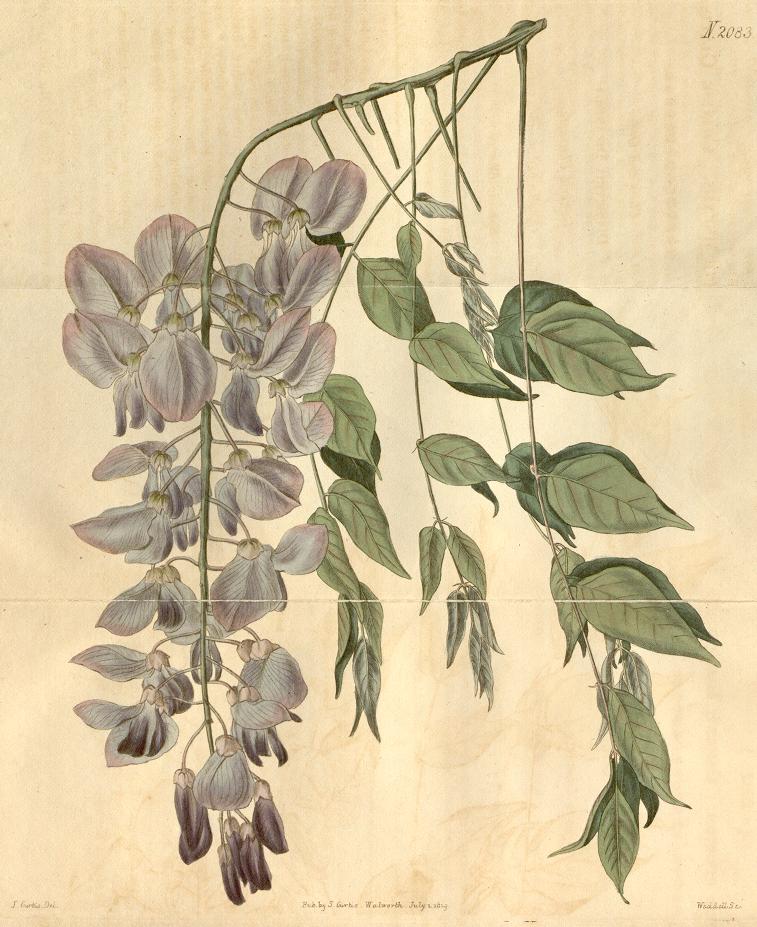
A question about the popularity of the Wisteria in The Netherlands, led me towards a search for the first occurence of that plant in the country. That search sent me back in time further than I expected: to 1737, George Clifford’s garden at De Hartekamp in Heemstede. Linnaeus’ publications about this garden mention the plant, under its original name Glycine.
Summary
A question about the popularity of the Wisteria in The Netherlands, led me towards a search for the first occurence of that plant in the country. That search sent me back in time further than I expected: to 1737, George Clifford’s garden at De Hartekamp in Heemstede. Linnaeus’ publications about this garden mention the plant, under its original name Glycine.
Een buurman als influencer?
The publication of a richly illustrated travel journal, a trip through Southern England and to London undertaken by four Dutchmen in 1769, leads to new ideas about a garden in the Netherlands. Paul Hurgronje, one of the 1769 travellers, went on to buy an estate in Heemstede in 1775 (Spruytenbosch). I have written extensively about the garden layout of Westerhout, bordering to the north of Spruytenbosch, in these years. And I am now left wondering whether Hurgronje’s direct knowledge of English gardens and parks may have influenced the landscape style layout of Westerhout, his direct neighbours?
Published: Adriaan Snoek at 18th century Westerhout
Mijn meest recente artikel is net uit, samen met andere mooie artikelen verschenen in de tweede bundel van tuinhistorisch genootschap Cascade, onder de naam Tuingeschiedenis in Nederland. Dit postje geeft kort de inhoud van dat artikel in het Engels weer. Nederlandstaligen die benieuwd zijn naar bronverwijzingen (of gewoon meer willen weten), worden verwezen naar bovengenoemde publicatie.
Vragen stellen aan de hand van dit bericht kan natuurlijk ook, aanvullingen worden helemaal op prijs gesteld.
Mijn meest recente artikel is net uit, samen met andere mooie artikelen verschenen in de tweede bundel van tuinhistorisch genootschap Cascade, onder de naam Tuingeschiedenis in Nederland. Dit postje geeft kort de inhoud van dat artikel in het Engels weer. Nederlandstaligen die benieuwd zijn naar bronverwijzingen (of gewoon meer willen weten), worden verwezen naar bovengenoemde publicatie.
Vragen stellen aan de hand van dit bericht kan natuurlijk ook, aanvullingen worden helemaal op prijs gesteld.
Harde en Evergreene Heester Trees, Shrobbs
Published: my piece about the 18th century nurseryman Jacobus Gans, whose bold move from Haarlem to Hillegom (and his purchase of an estate there in 1771), is now explained. His formerly unknown partnership with Rotterdam merchant Bastiaan Molewater (1734-1780) played a deciding role in the rise and fall of his nursery.
The move itself makes it possible to put a date on Gans’ undated catalogues, especially because an unknown version has come to light, on which his sole address is still in Haarlem only.
Gans had ‘English’ and ‘American’ plants for sale, and mentioned that he had gone to England himself to collect them there. His use of ‘English’ terms when advertising the sales catalogue of these plants (see the advert and the title of this post), shows that no proper Dutch vocabulary was available (yet) for this type of planting material.
Published: my piece about the 18th century nurseryman Jacobus Gans, whose bold move from Haarlem to Hillegom (and his purchase of an estate there in 1771), is now explained. His formerly unknown partnership with Rotterdam merchant Bastiaan Molewater (1734-1780) played a deciding role in the rise and fall of his nursery.
The move itself makes it possible to put a date on Gans’ undated catalogues, especially because an unknown version has come to light, on which his sole address is still in Haarlem only.
Gans had ‘English’ and ‘American’ plants for sale, and mentioned that he had gone to England himself to collect them there. His use of ‘English’ terms when advertising the sales catalogue of these plants (see the advert and the title of this post), shows that no proper Dutch vocabulary was available (yet) for this type of planting material.
Van ‘Booneboom van Carolina’ tot mondaine plant: Wisteria
A question about the popularity of the Wisteria in The Netherlands, led me towards a search for the first occurence of that plant in the country. That search sent me back in time further than I expected: to 1737, George Clifford’s garden at De Hartekamp in Heemstede. Linnaeus’ publications about this garden mention the plant, under its original name Glycine.

